Mobile Home Loan Requirements: What Buyers Need to Know If you are thinking about buying…
The Complete Guide to Mobile Home Financing
The Complete Guide to Mobile Home Financing
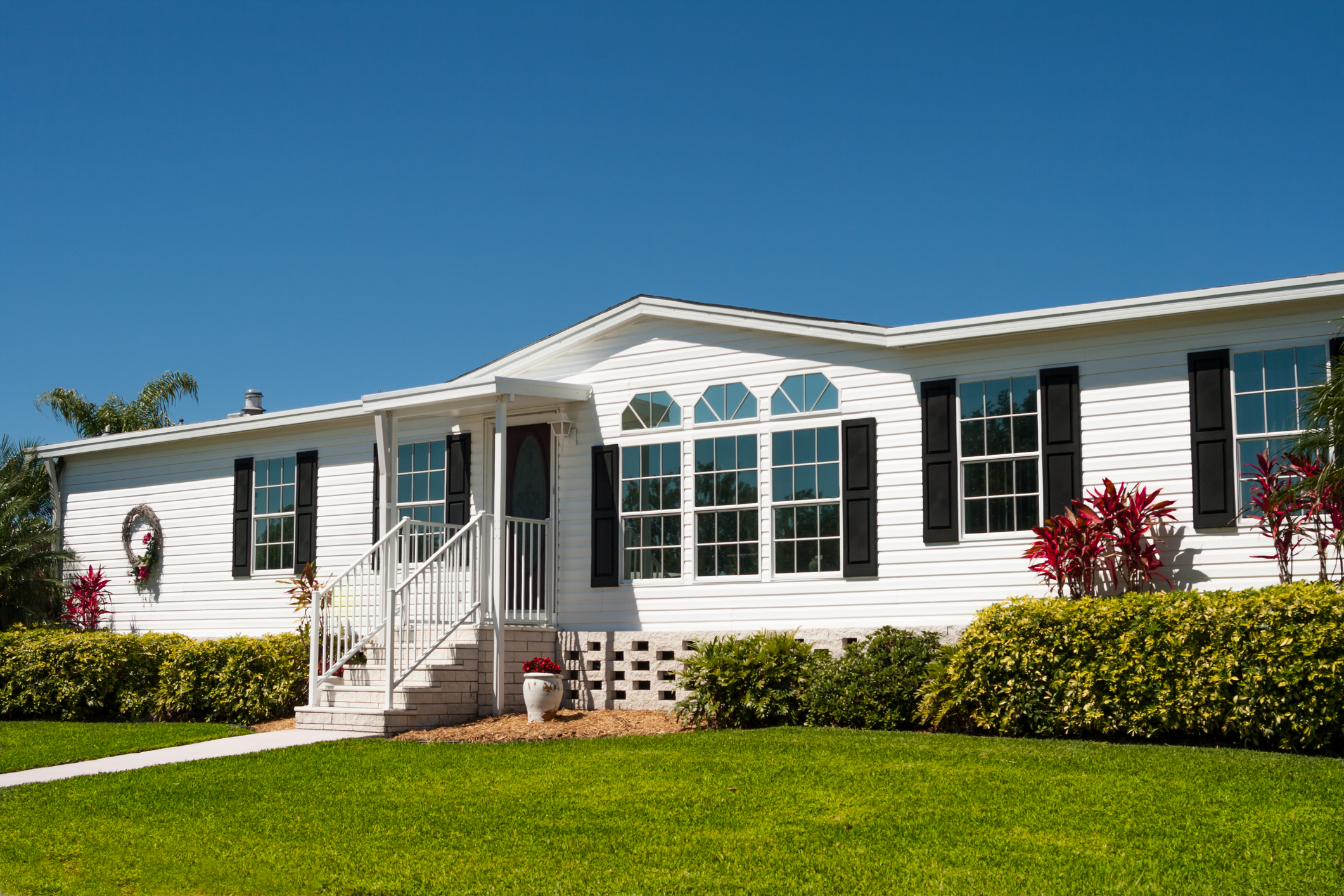
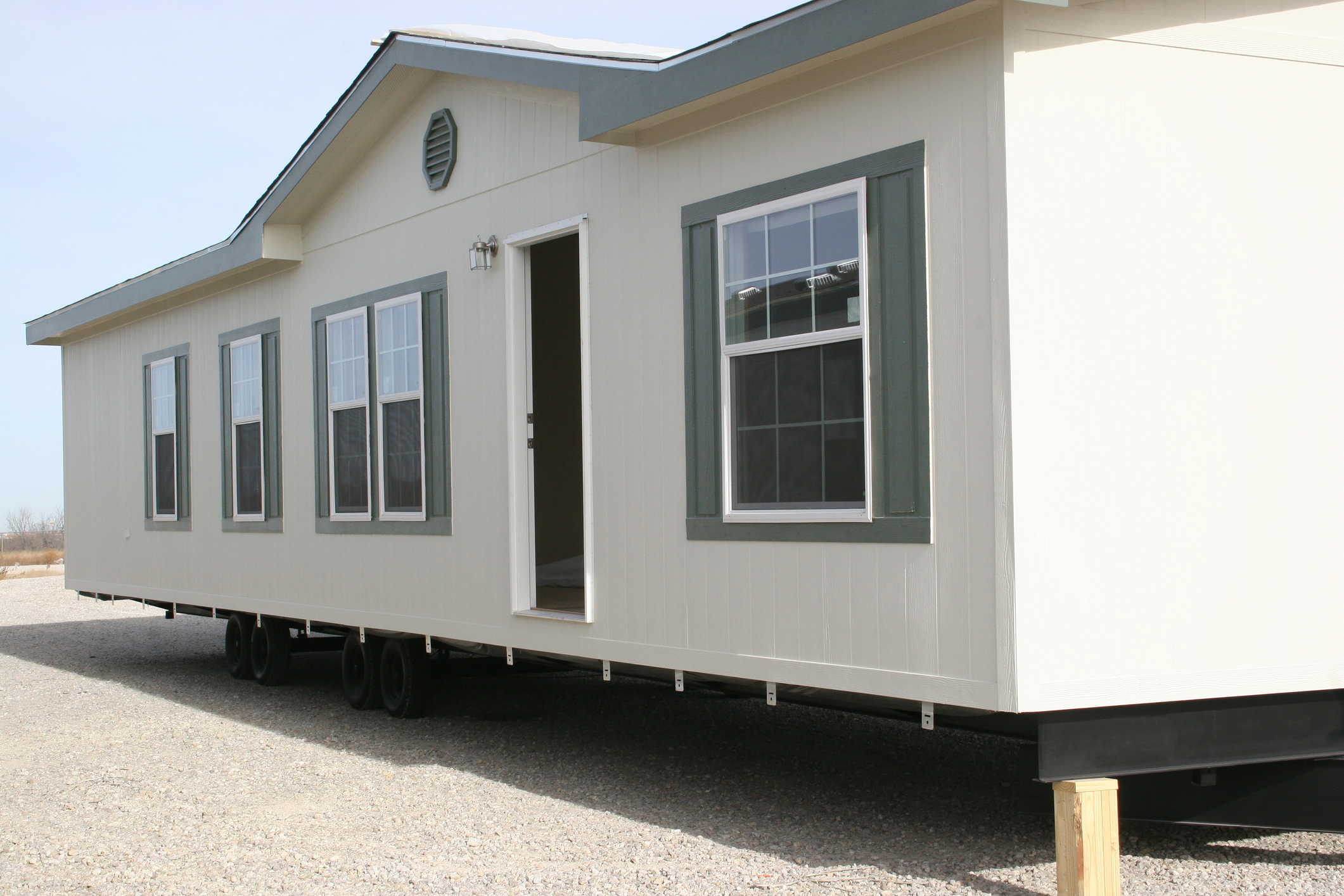 Buying a mobile or manufactured home can be one of the most affordable ways to become a homeowner. For many buyers, manufactured housing offers a practical path to ownership with lower purchase prices, flexible living options, and communities that fit different lifestyles and budgets.
But financing a mobile home is not always the same as financing a traditional site-built home. The loan options, approval process, title requirements, down payment, and timeline can be different depending on the type of home, where the home is located, whether land is included, and how the home is titled.
This guide will help you understand how mobile home financing works, what loan options may be available, what lenders usually look for, and how to prepare for the application process.
At MobileHomeLoans.com, mobile and manufactured home financing is what we do every day. Whether you are buying a home in a park, purchasing a manufactured home with land, or refinancing your current mobile home, understanding the process can help you move forward with more confidence.
What Is Mobile Home Financing?
Mobile home financing is a loan used to purchase or refinance a mobile home or manufactured home. These loans are designed specifically for manufactured housing, which can be different from traditional real estate financing.
A mobile home loan may be used for:
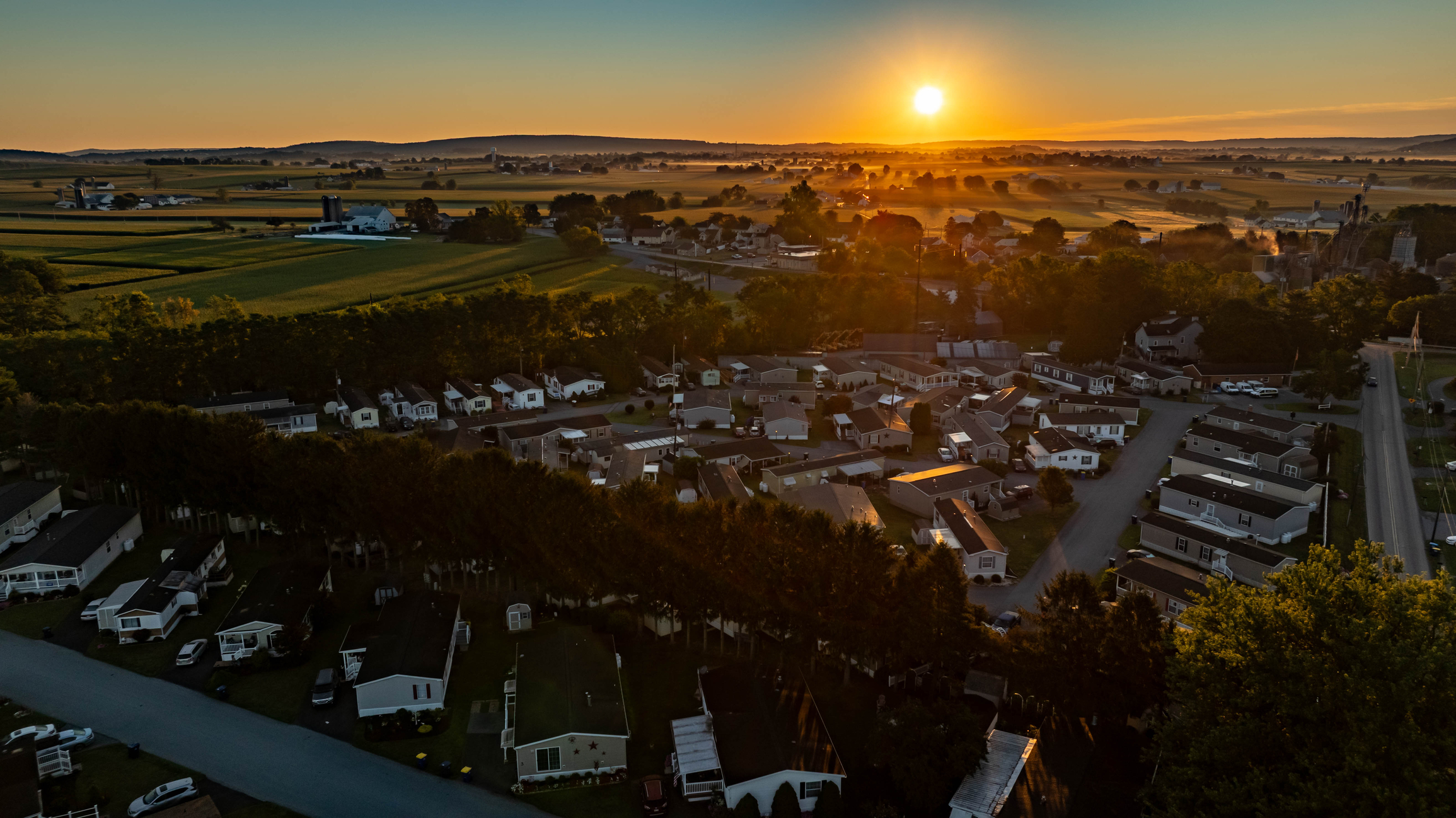
- A manufactured home located in a mobile home park
- A manufactured home located in a manufactured home community
- A singlewide, doublewide, or triplewide manufactured home
- A manufactured home on leased land
- A manufactured home on owned land
- A manufactured home and land purchased together
- A refinance of an existing manufactured home loan
The type of financing depends on whether the home is considered personal property or real estate. This is one of the biggest differences between manufactured home loans and traditional mortgages.
Mobile Home vs. Manufactured Home: What Is the Difference?
Many people use the terms “mobile home” and “manufactured home” interchangeably, but there is a technical difference.
A mobile home usually refers to a factory-built home produced before June 15, 1976. A manufactured home refers to a factory-built home constructed after that date under federal manufactured housing standards.
Even though “manufactured home” is the more accurate term for newer homes, many buyers, sellers, parks, and lenders still commonly use the phrase “mobile home.” Because of that, you may see both terms used throughout the buying and financing process.
For most buyers, the important thing is this: the home’s age, condition, title status, location, and whether land is included can all affect financing options.
At MobileHomeLoans.com, we can finance all ages of mobile and manufactured homes, depending on the full loan scenario, borrower qualifications, home condition, title status, and program guidelines.
Why Mobile Home Financing Is Different
Traditional home financing usually involves a house that is permanently attached to land. The home and land are financed together as real estate.
Mobile home financing can be different because many manufactured homes are located in parks or communities where the buyer owns the home but leases the space. In that situation, the home is usually financed as personal property instead of real estate.
That difference affects the loan type, closing process, paperwork, title requirements, and sometimes the timeline.
The main factors that determine the type of loan include:
- Whether the home is in a park or on private land
- Whether the buyer owns the land
- Whether the home is titled as personal property or real estate
- The age and condition of the home
- The borrower’s credit, income, and down payment
- The lender’s program guidelines
- The state where the home is located
This is why it is helpful to work with a lender or broker that specializes in mobile and manufactured home financing.
Two Main Types of Mobile Home Loans
There are two common categories of mobile home financing: chattel loans and manufactured home loans with land.
1. Chattel Loans for Mobile Homes in Parks
A chattel loan is one of the most common loan options for manufactured homes located in a mobile home park or community.
With a chattel loan, the mobile home is financed as personal property. The land is not included in the loan because the buyer usually leases the space from the park or community.
This type of loan may be a good fit when:
- You are buying a mobile home in a park
- You will own the home but not the land
- You will pay monthly space rent to the community
- You need financing for a singlewide, doublewide, or triplewide home
- You want a loan designed specifically for manufactured housing
Chattel loans are often used for in-park mobile home purchases because they are built around the way these transactions work. Since land is not involved, the process can often be more direct than a traditional land-home mortgage.
Benefits of a Chattel Loan
A chattel loan can offer several advantages for manufactured home buyers.
Faster Closing Process
Because the loan is only connected to the home and not the land, the process can sometimes move faster than a traditional real estate mortgage. In many cases, mobile home loans in parks may close in approximately 30 to 45 days, depending on the lender, borrower documentation, title work, park approval, appraisal, insurance, and other conditions.
Designed for Park Purchases
Many traditional mortgage companies do not finance mobile homes located on leased land. Chattel loans are specifically designed for this type of purchase.
More Flexible Property Structure
With a chattel loan, the buyer does not need to own the land. This can make it easier for buyers who want to live in a mobile home community without purchasing real estate.
Good Option for Affordable Homeownership
For many buyers, a chattel loan can make it possible to purchase a home at a lower overall price than many traditional site-built homes.
2. Manufactured Home Loans With Land
If you are buying a manufactured home and the land together, or if you already own the land where the home is located, your loan may be structured more like a traditional mortgage.
This is often called a land-home loan or manufactured home mortgage.
This type of financing may apply when:
- The manufactured home is permanently placed on land
- The borrower owns the land or is buying the land with the home
- The home and land are financed together
- The property meets the lender’s requirements
- The home may be titled as real estate
Manufactured home loans with land can be a strong option for buyers who want long-term ownership of both the home and property. Because land, title, appraisal, property review, and underwriting requirements are usually more involved, manufactured home loans with land can often take 60 days or more to close.
Benefits of Financing a Manufactured Home With Land
Buying a manufactured home with land can offer several advantages.
Land Ownership
When you own the land, you may have more control over the property. You are not paying monthly space rent to a park, and you may have more flexibility depending on local zoning, property rules, and lender guidelines.
Potential Long-Term Equity
Land ownership may help create long-term equity. While every market is different, owning both the home and land may provide more stability than owning only the home on leased space.
Traditional Mortgage Possibilities
Depending on the property, foundation, title status, and borrower qualifications, financing may be available through programs that are closer to traditional mortgage lending.
Chattel Loan vs. Mortgage: What Is the Difference?
The biggest difference between a chattel loan and a manufactured home mortgage is whether land is included.
A chattel loan usually finances only the home. This is common when the home is located in a mobile home park and the buyer leases the space.
A manufactured home mortgage usually finances the home and land together. This is common when the buyer owns the land or is buying the land with the home.
Here is a simple way to understand it:
If you are buying the mobile home only, you may need a chattel loan.
If you are buying the mobile home and the land together, you may need a manufactured home mortgage or land-home loan.
What Lenders Look for When Approving a Mobile Home Loan
Every lender has different guidelines, but most mobile home loan approvals are based on several key factors.
Credit Score
Your credit score helps lenders evaluate your history of managing debt. A higher credit score may help you qualify for better terms, but some mobile home loan programs may work with buyers who have lower credit scores.
Many programs may start around a 580 credit score, but approval depends on the full borrower profile, loan program, home type, down payment, income, and lender requirements.
Income
Lenders want to confirm that you have stable and reliable income. This helps show that you can afford the monthly payment.
Income documentation may include:
- Pay stubs
- W-2 forms
- Tax returns
- Bank statements
- Social Security income
- Pension or retirement income
- Disability income
- Self-employment income documents
The exact documents required depend on the loan program and the borrower’s situation.
Debt-to-Income Ratio
Your debt-to-income ratio, often called DTI, compares your monthly debts to your monthly income. Lenders use this to help determine whether the new payment is affordable.
Monthly debts may include:
- Car payments
- Credit cards
- Student loans
- Personal loans
- Existing mortgage or rent obligations
- Other monthly debt payments
Many lenders prefer a debt-to-income ratio under a certain percentage, often around 50% or lower, but requirements can vary by program.
Down Payment
Most mobile home loans require a down payment. The down payment may vary depending on the borrower, loan program, home type, credit profile, property type, and lender requirements.
A common range may be approximately 5% to 35% down, depending on the full loan scenario. Some buyers may qualify with a lower down payment, while others may need more money down based on credit, income, debt-to-income ratio, home details, or overall risk profile.
A larger down payment can sometimes help strengthen the application because it lowers the loan amount and shows the borrower has more invested in the purchase.
Home Age and Condition
The age and condition of the mobile home matter. Lenders usually want to finance homes that are safe, livable, and well maintained.
At MobileHomeLoans.com, we can finance all ages of mobile and manufactured homes, depending on the full loan scenario, home condition, title status, borrower qualifications, and available program guidelines.
The lender may review:
- The year the home was built
- The condition of the roof, siding, flooring, plumbing, electrical, and HVAC
- Whether the home appears safe and habitable
- Whether repairs are needed
- Whether the title is clear
- Whether the home meets the lender’s guidelines
Older homes may still be financeable depending on the lender, program, condition, and documentation.
Title and Ownership
Mobile home financing often requires title review. Since many mobile homes are titled like personal property, the title process can be different from traditional real estate.
The lender may need to verify:
- The current legal owner
- Whether there are existing liens
- Whether taxes or fees are owed
- Whether the title can be transferred
- Whether the home has proper identification numbers
- Whether the home is titled as personal property or real estate
Clear title is an important part of the closing process.
Park Approval
If the home is located in a mobile home park or manufactured home community, the buyer may need to be approved by the park.
This is separate from loan approval.
A buyer can be approved for financing but still need park approval before closing. Park approval may include reviewing income, background, credit, rental history, community rules, pet rules, age restrictions, and other park requirements.
Because park approval can affect the closing timeline, it is important to start that process early.
Insurance
Most lenders require manufactured home insurance before closing. Insurance protects the buyer, the home, and the lender.
The policy may need to meet lender requirements and list the lender correctly before the loan can close.
The Mobile Home Loan Process
The mobile home financing process may vary depending on the loan type, but most purchases follow a similar path.
Step 1: Pre-Qualification
The first step is pre-qualification. This gives you an idea of what you may qualify for and what loan options may be available.
For mobile home financing, it is usually best to have a subject property in mind before getting pre-qualified. You need the home to start the process because the year, location, park, space rent, HOA, and property details can all affect the loan options. However, if you change homes later, the loan scenario can usually be updated and reviewed again.
During this step, the lender or broker may review basic information such as:
- Credit
- Income
- Employment
- Estimated down payment
- Desired purchase price
- Type of home
- Subject property address or location
- Year of the home
- Whether the home is in a park or on land
- Monthly space rent or HOA amount
- Park or community name
- State where the home is located
Pre-qualification can help you shop with more confidence because you have a better understanding of your budget and the type of home that may work for your financing.
Step 2: Find the Right Mobile Home
Once you have an idea of your financing options, you can move forward with the home you want to purchase or continue looking for the right fit.
Before making an offer, consider:
- The age of the home
- The condition of the home
- The park or community rules
- Monthly space rent
- HOA fees, if applicable
- Utility costs
- Insurance costs
- Whether the seller has clear title
- Whether the home appears financeable
- Whether repairs may be needed
Choosing the right home is important because not every mobile home will meet every lender’s guidelines.
Step 3: Complete the Full Application
After you find the home, the next step is the full loan application. At this stage, you provide the information and documentation needed for the lender to review the file.
Documents may include:
- Driver’s license or government-issued identification
- Pay stubs
- W-2 forms
- Tax returns if self-employed
- Bank statements
- Purchase agreement
- Park approval documents
- Insurance quote
- Title information
- Home details
- Appraisal or valuation documents, if required
Providing complete documentation quickly can help avoid delays.
Step 4: Underwriting
Underwriting is the lender’s detailed review of the loan file.
During underwriting, the lender may review:
- Borrower credit
- Income and employment
- Debt-to-income ratio
- Down payment funds
- Home information
- Title status
- Appraisal or valuation
- Insurance
- Park approval
- Loan program guidelines
The underwriter may issue conditions. Conditions are additional items that must be completed before closing. This is a normal part of the loan process.
Step 5: Satisfy Loan Conditions
Loan conditions may include updated documents, clarification on income, proof of insurance, title corrections, park approval confirmation, appraisal review, payoff information, or other required items.
The faster conditions are completed, the faster the file can move toward closing.
Step 6: Closing and Funding
Once the loan is fully approved and all conditions are satisfied, the file moves to closing.
At closing:
- Final loan documents are prepared
- The buyer signs closing documents
- Required funds are collected
- The loan is funded
- The seller is paid
- Title transfer is completed
- The buyer becomes the owner of the home
For mobile homes in parks, closing may also involve coordination with the community, seller, lender, title company, escrow company, and insurance provider.
How Long Does Mobile Home Financing Take?
The timeline depends on the loan type and how quickly documentation, title work, appraisal, insurance, and approvals are completed.
For mobile homes in parks, the process may often take around 30 to 45 days.
For manufactured homes with land, the process may take 60 days or more, depending on appraisal, property review, title work, land requirements, and mortgage processing.
The biggest factors that can affect the timeline include:
- Borrower documentation
- Seller responsiveness
- Title issues
- Park approval
- Insurance
- Appraisal timing
- Home condition
- Underwriting conditions
- State-specific requirements
Common Reasons Mobile Home Loans Are Delayed
Mobile home loans can move smoothly when everyone is prepared, but delays can happen.
Common reasons for delays include:
- Missing income documents
- Incomplete application information
- Title problems
- Existing liens on the home
- Park approval not completed
- Insurance not finalized
- Appraisal delays
- Repairs needed on the home
- Seller not providing required information
- Down payment funds not documented
The best way to avoid delays is to work with a mobile home financing specialist and provide requested items as quickly as possible.
Can You Finance an Older Mobile Home?
Yes. At MobileHomeLoans.com, we can finance all ages of mobile and manufactured homes, depending on the full loan scenario, borrower qualifications, home condition, title status, and available program guidelines.
Lenders may look at:
- The year the home was built
- Whether it is structurally sound
- Whether it has been well maintained
- Whether the title is clear
- Whether the home meets safety and habitability standards
- Whether it is located in an approved park or on eligible land
If you are considering an older mobile home, it is a good idea to check financing options before making a final commitment.
Can You Get a Mobile Home Loan With Less-Than-Perfect Credit?
Yes, you may be able to get a mobile home loan with less-than-perfect credit. However, buyers with lower credit scores or past credit challenges may need more money down.
Lenders may consider more than just the credit score. They may also review:
- Income stability
- Down payment amount
- Debt-to-income ratio
- Payment history
- Time since any major credit issues
- Type of home
- Home condition
- Loan amount
- Overall risk profile
A lower credit score does not automatically mean you cannot qualify, but it may affect the loan options available, the down payment required, and the overall approval terms.
How Much Down Payment Do You Need?
Down payment requirements vary. Many mobile home loan programs may require somewhere between 5% and 35% down, depending on the borrower, property, lender, and program.
Some factors that can affect the down payment include:
- Credit score
- Purchase price
- Type of home
- Age of home
- Loan program
- Whether land is included
- Borrower income
- Debt-to-income ratio
- State and lender guidelines
- Overall strength of the loan file
Before moving forward, it is smart to get pre-qualified with the subject property so you know what down payment range may apply to your specific situation.
What Documents Are Needed for a Mobile Home Loan?
The documents needed depend on the loan type, but buyers are often asked for:
- Completed loan application
- Government-issued ID
- Pay stubs
- W-2 forms
- Tax returns if self-employed
- Bank statements
- Purchase agreement
- Park approval or park contact information
- Home title information
- Insurance quote
- Proof of down payment funds
- Appraisal or inspection documents, if required
Having these documents ready can make the process smoother.
Tips for Getting Approved for a Mobile Home Loan
If you want to improve your chances of approval, here are a few important steps.
Have a Home in Mind Before Pre-Qualification
With mobile home financing, the home matters. The year of the home, park name, space rent, HOA amount, location, purchase price, and whether the home is in a park or on land can all affect financing.
You can start with one subject property and update the loan scenario later if you choose a different home.
Keep Your Finances Stable
Avoid taking on new debt, changing jobs, making large unexplained deposits, or opening new credit accounts during the loan process unless you have discussed it with your loan team.
Save for Down Payment and Closing Costs
Having funds ready can make your file stronger and help prevent delays.
In some cases, lenders may want to see that funds have been seasoned in your bank account for at least two months. In other cases, seasoning may not be required. This depends on the loan program, lender guidelines, source of funds, and overall loan scenario.
Choose a Financeable Home
At MobileHomeLoans.com, we can finance all ages of mobile and manufactured homes, but the home still needs to meet program guidelines. The home’s condition, title status, location, and overall loan scenario are important.
Respond Quickly to Document Requests
Underwriting may ask for additional items. Responding quickly can help keep your loan moving.
Work With a Specialist
Mobile home financing has unique requirements. A team that understands manufactured home loans can help you avoid unnecessary confusion.
Why Work With MobileHomeLoans.com?
Mobile home financing is not something every lender understands. Many traditional mortgage companies focus on site-built homes and may not offer loan options for homes in parks, older manufactured homes, leased land situations, or chattel financing.
At MobileHomeLoans.com, this is all we do.
We specialize in mobile and manufactured home financing. Our team understands the loan process, the documentation, the title requirements, the park approval process, and the details that can make manufactured housing unique.
We help buyers with:
- Mobile homes in parks
- Manufactured homes on leased land
- Singlewide homes
- Doublewide homes
- Triplewide homes
- Manufactured homes with land
- Purchase loans
- Refinance loans
- First-time manufactured home buyers
- Buyers with unique financing questions
- All ages of mobile and manufactured homes, depending on the full loan scenario
Our goal is to make the process clear, helpful, and professional from the first call to closing day.
Frequently Asked Questions About Mobile Home Financing
Is it hard to get financing for a mobile home?
It depends on your credit, income, down payment, home type, home condition, and whether the home is in a park or on land. Mobile home financing is different from traditional mortgage lending, but working with a specialist can make the process much easier to understand.
Can I finance a mobile home in a park?
Yes. Many buyers finance mobile homes located in parks or manufactured home communities using chattel loans. In this case, the buyer usually owns the home and leases the space.
Do I need to own the land to get financing?
No. You may be able to finance a mobile home even if you do not own the land. If the home is in a park, a chattel loan may be available. If you own the land or are buying land with the home, a land-home loan may be an option.
Can I finance a singlewide mobile home?
Yes. Financing may be available for singlewide mobile homes, depending on the lender, home condition, age, location, and borrower qualifications.
Can I finance a doublewide manufactured home?
Yes. Doublewide manufactured homes are commonly financed through both chattel loans and land-home loans, depending on whether land is included.
Can I finance an older mobile home?
Yes. At MobileHomeLoans.com, we can finance all ages of mobile and manufactured homes, depending on the full loan scenario, home condition, title status, borrower qualifications, and available program guidelines.
Can I get a mobile home loan with less-than-perfect credit?
Yes, it may be possible. However, buyers with less-than-perfect credit may need more money down, depending on the loan program and overall approval profile.
Can I refinance my mobile home?
Yes. Mobile home refinance options may be available depending on your current loan, home type, title status, equity, credit, income, and lender guidelines.
How fast can I get approved?
Pre-qualification may be completed quickly in many cases, but full loan approval depends on documentation, underwriting, home review, title, insurance, and any required conditions.
How long does it take to close a manufactured home loan with land?
Manufactured home loans with land can often take 60 days or more to close because they may involve land, appraisal, title work, property review, and more traditional mortgage-style underwriting.
Start Your Mobile Home Loan Pre-Approval Today
Mobile and manufactured homes can offer a smart, affordable path to homeownership. Whether you are buying a home in a park, purchasing a manufactured home with land, or refinancing your current home, the right financing partner can make a big difference.
At MobileHomeLoans.com, we are here to help you understand your options and move through the process with confidence.
For the best pre-qualification review, it helps to have a subject property in mind, including the year of the home, park name, space rent or HOA amount, and property location. If you decide to change homes later, your loan scenario can be updated.
If you are ready to take the next step, start your pre-approval today.
Apply online today and let MobileHomeLoans.com help you move one step closer to owning your home.

Related Posts